
Sep
17
E-commerce website development means getting three key things right: a sound strategy, robust technology, and informed website development and design choices. Smaller businesses across the USA show us that big budgets aren’t everything. What matters is having a clear plan.
We’re not talking about Amazon or Walmart here. It’s more about HVAC suppliers, fashion stores, and green product sellers that have learned how to generate revenue online without investor funding or a considerable team.
When creating your e-commerce website or helping clients with E-commerce website development and design, these five examples provide valuable insights into real-life situations, technology choices, and the decisions each business makes to succeed.
You’ll see everything from WooCommerce to Django and Laravel to Node.js. This blog covers what works, what’s excessive, and how wise choices in eCommerce website development technologies lead to real growth.
These smaller eCommerce website success stories show that being huge isn’t required to win online. Smart website development technology picks, and focused website designing help these companies win quietly but effectively. Here are real e-commerce success stories to watch out when creating your e-commerce website:
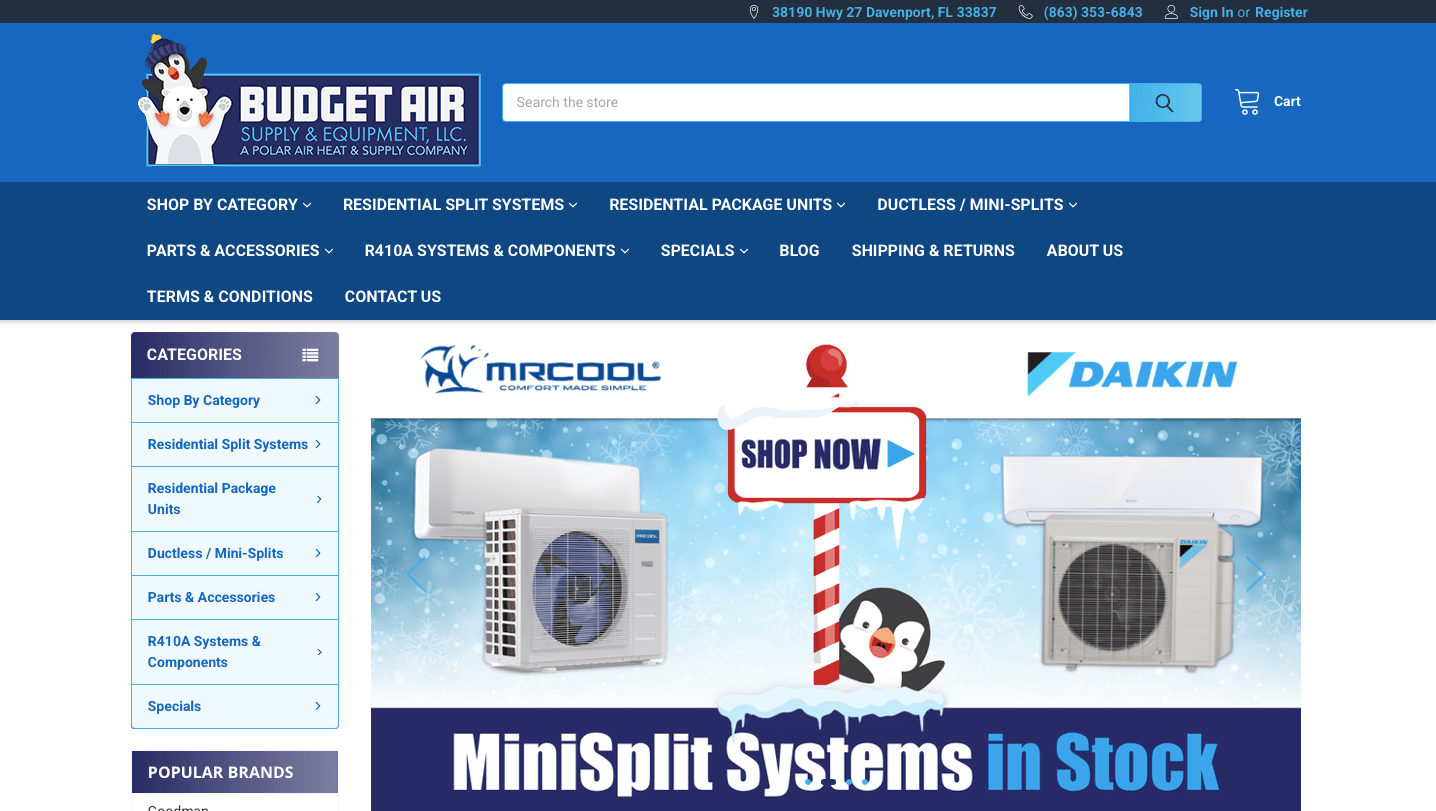
Budget Air Supply operates as a medium-sized HVAC distributor. They quickly jumped into online selling and made it work. The company currently operates from Florida but serves numerous customers in California. They sell complete HVAC systems directly, which include air conditioners, heat pumps, and packaged units, to both homeowners and contractors.
What makes them different? They skipped the usual dealer network. Instead, they sell straight to customers through their website.
Their online system works well for shipping large items. The site offers custom price quotes and manages thousands of different products without problems. They avoided marketplace fees by running their store. This helped them grow fast in an industry that shifts slowly.
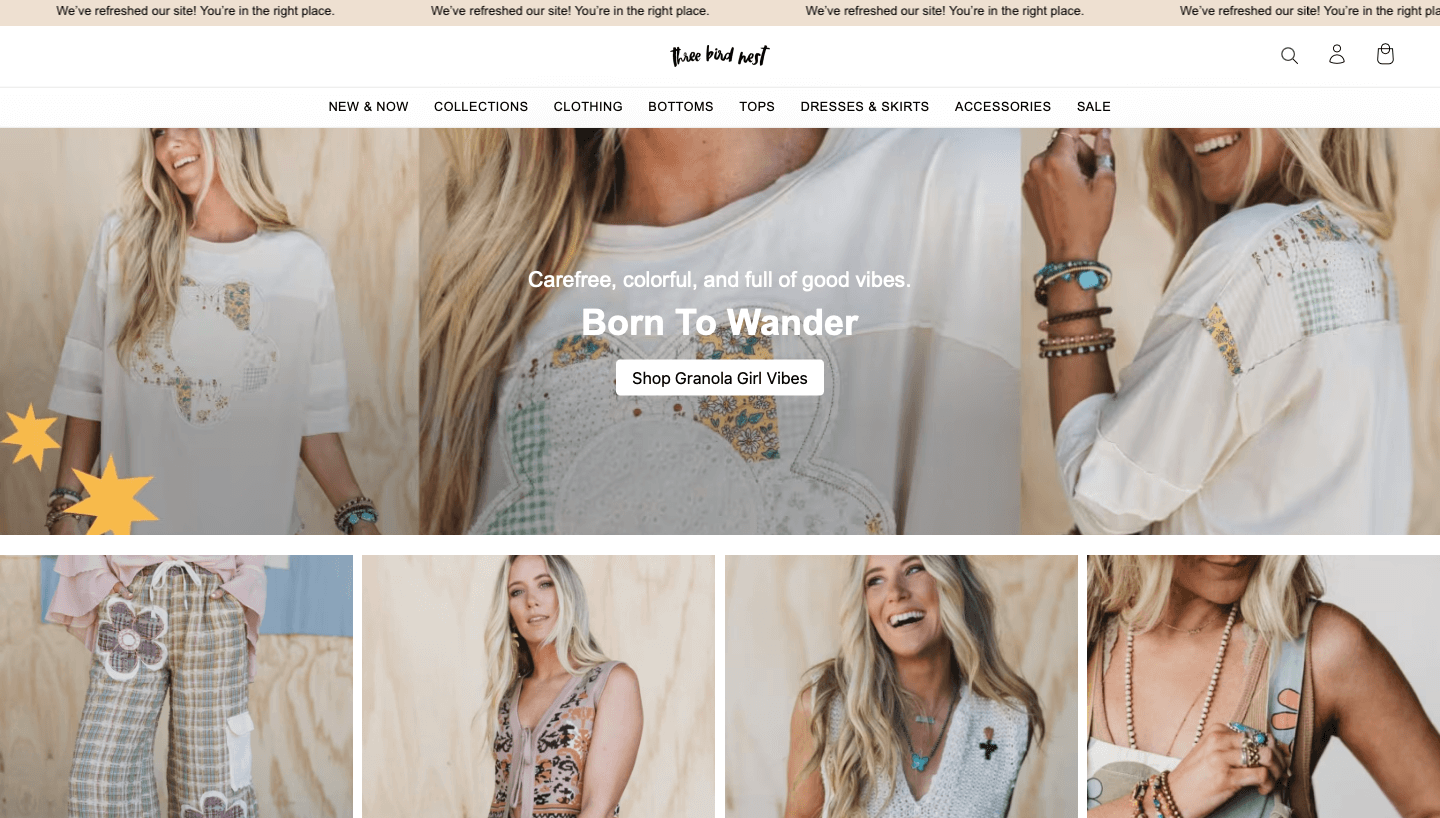
Three Bird Nest began in California when one woman started selling boho headbands on Etsy. She became one of Etsy’s biggest sellers in just a few years. However, success brought problems – platform fees, strict rules, and little to no control.
They decided to create their own WooCommerce store instead. They operate a completely independent website that sells clothes, accessories, and lifestyle items in their unique, handmade boho style. Moving to their eCommerce website gave them complete control over their brand, profit margins, customer information, and product launches – all while keeping things simple and creative.
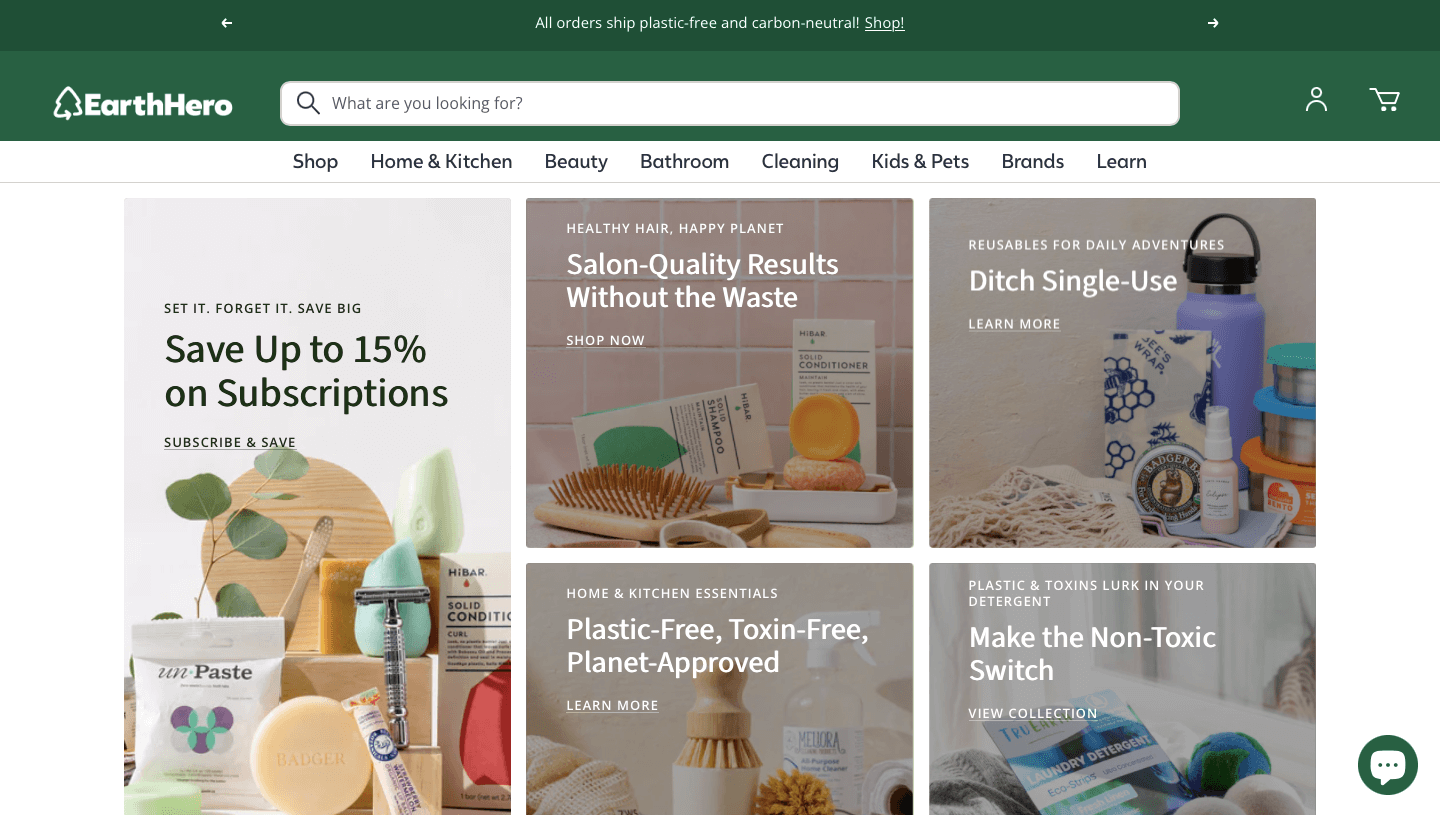
EarthHero operates from Colorado and sells sustainable, eco-certified items, everything from reusable water bottles to bamboo toothbrushes. Their website targets conscious shoppers, focusing on transparency by offering carbon-neutral shipping and providing detailed product information. Their success comes from being both a marketplace and a curator.
They carefully check brands, make sure their marketing is educational, and are clear about what they stand for. Their system combines WooCommerce with custom add-ons and third-party connections for carbon tracking, inventory management, and ethical product sorting.
California customers comprise a significant portion of their business, thanks to the state’s strong eco-conscious community.
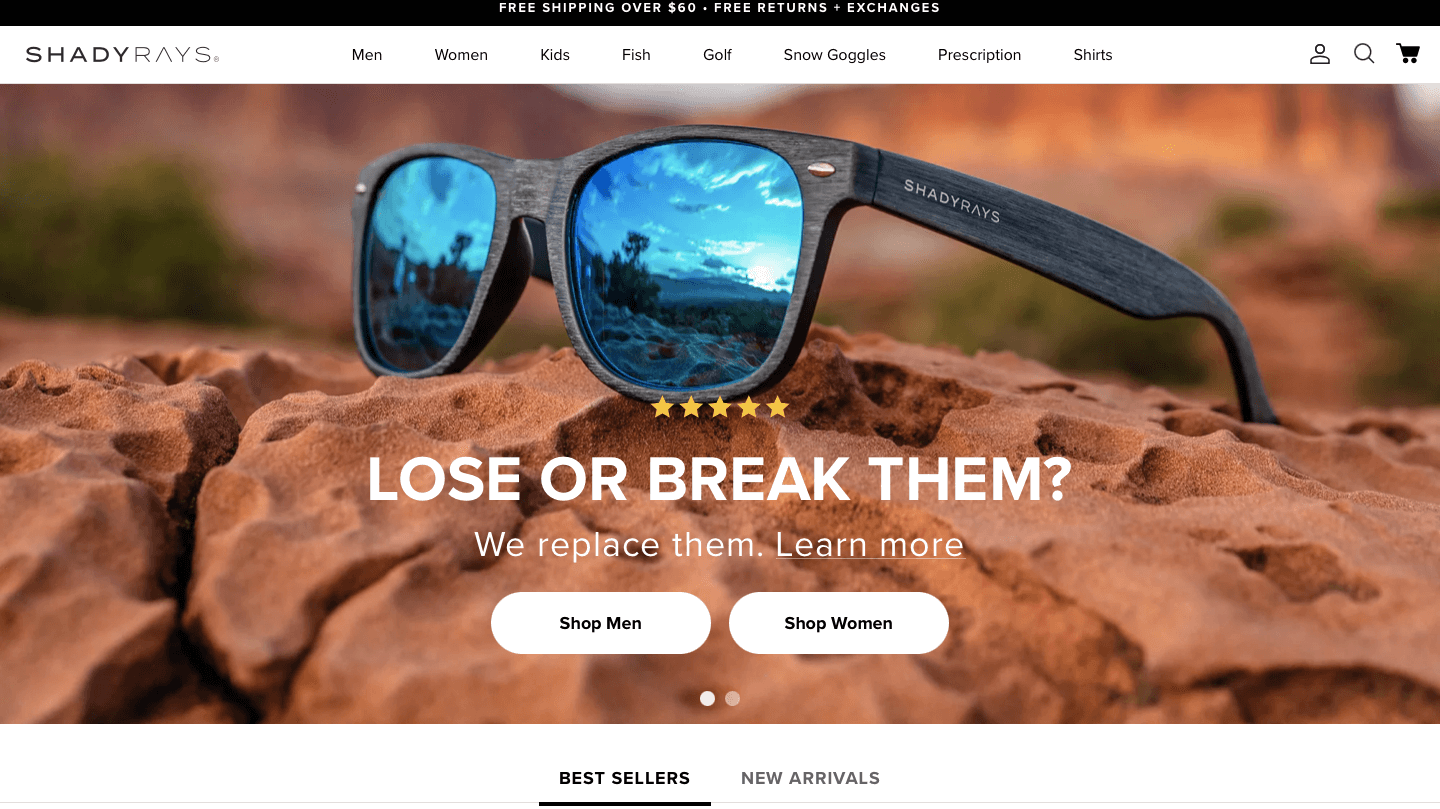
Shady Rays took one simple product, polarized sunglasses, and created a direct-to-consumer brand that competes with Oakley and Ray-Ban. Their special feature? Every pair comes with a lifetime replacement guarantee, and they donate meals with every purchase. Instead of selling through Amazon, they created their online store from scratch.
They focus on satisfying previous customers, providing fast support, and conducting limited product drops. This approach has helped them grow into a multi-million-dollar business with a dedicated customer base. Their technology supports fast page loading, custom returns, and real-time inventory, which is essential for flash sales and busy months.
Which Technology To Choose?
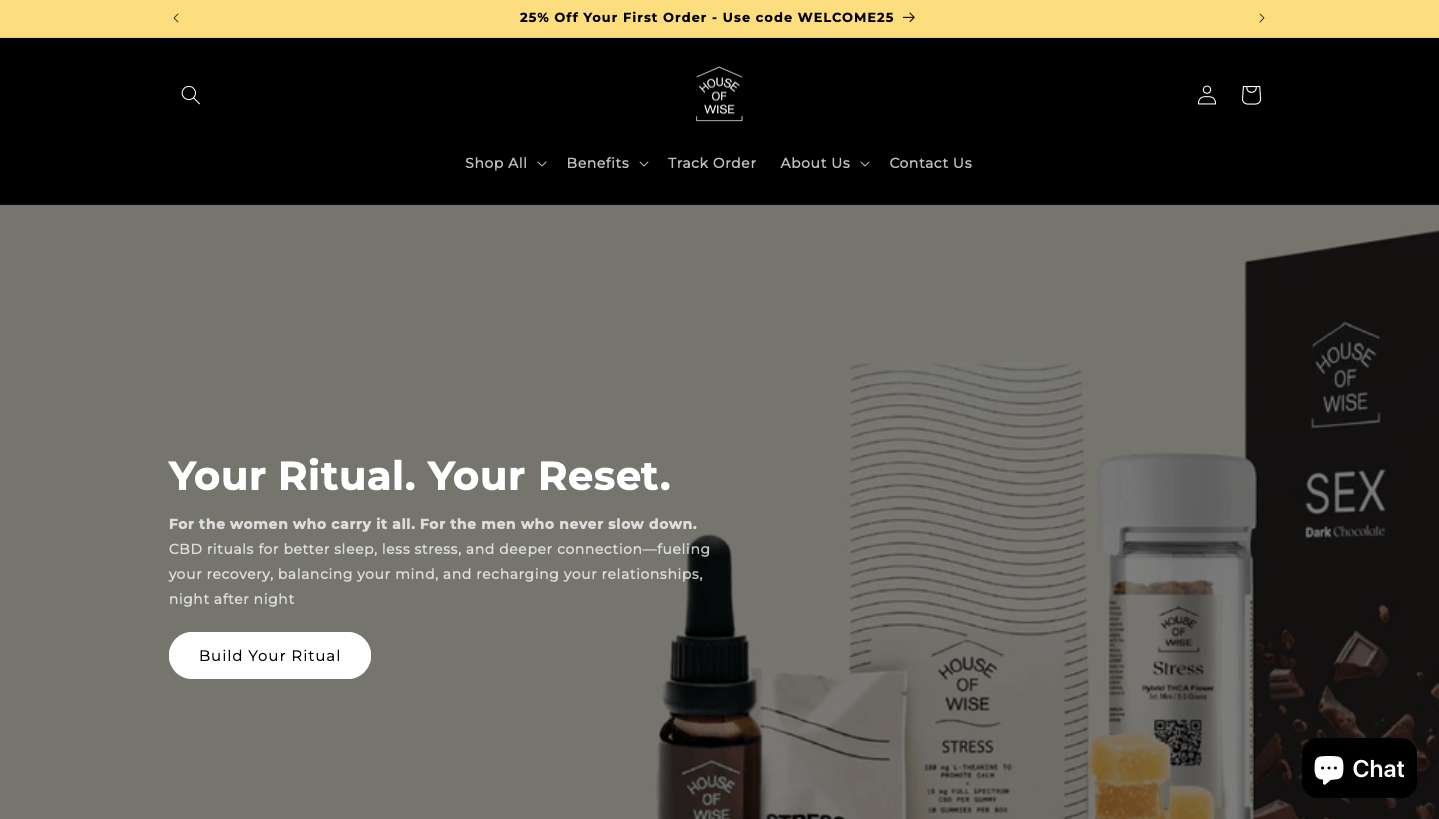
House of Wise is a wellness and CBD brand created to empower women – emotionally, physically, and financially. It launched during the pandemic with a mission-driven founder and a small line of CBD gummies. They focused on education, affiliate marketing, and community-driven storytelling.
Their e-commerce site combines Shopify and WooCommerce but uses WooCommerce for backend control. Built with a small team, they utilize content to drive sales, including blog posts, founder videos, customer testimonials, and guides. They ship nationwide, with many orders coming from California’s wellness-focused market.
Which Technology To Choose?
eCommerce success isn’t just for tech giants anymore. These five stories demonstrate that a well-planned eCommerce website, effective website design, and a strategic website development approach can help small and mid-sized businesses grow quickly and efficiently.
Whether you sell HVAC systems, fashion, or wellness products, picking the right tech stack matters as much as your actual products. WordPress, WooCommerce, Django, and Laravel all have their strengths.
The secret is matching your business requirements with the right platform. Use these stories as guides to build your own scalable, high-converting eCommerce website with clarity and confidence. Reach out to top website designing companies and get expert assistance on developing a high-end website that attracts more customers to your store.
Website Development | Mobile App Development | Application Development
We will definitely get back in touch with you over mail within 12 Hours.
In-case you have not heard from us within 12 hours, kindly check your spam once.
I'm a software consultant. I've 7+ years of industry experience. I'd love to connect with you and brainstorm your custom software needs. It's my responsibility to find you the best solution.
ANAND GUPTA
Drop your details and we'll get in touch with you within 12 hours.
Reach us for

Talk to us