Jun
10
Imagine this: you’re the owner of a thriving online business. You’ve spent months perfecting your product line, crafting beautiful images, and writing catchy descriptions. You launch your eCommerce Website, excitement bubbling as orders start rolling in. But after a few weeks, something feels off. Customers come once, but they don’t stick around. And so you wonder: “How do I turn one-time buyers into loyal fans?” That’s where things like loyalty programs, roundup apps, and solid Restful API integration come into play.
However, finding a reliable platform for enabling roundup features is an important task. Then, you need to weave those experiences seamlessly into your website so customers never feel like they’ve been sent to a clunky third-party page. That’s where Restful API integration becomes your secret weapon. With robust APIs, you can pull data back and forth, send order details to a loyalty engine, display a customer’s points balance on your site. Or you can process donations without asking users to leave your checkout flow.
But here’s the catch: diving into APIs and custom design can feel overwhelming. You might think, “Can’t I just install a plug-in or third-party app and call it a day?” And sometimes, yes, you can get by. But if you want a consistent brand experience, lightning-fast load times, and zero errors during peak traffic, you’ll need a trusted web developer to build everything behind the scenes.
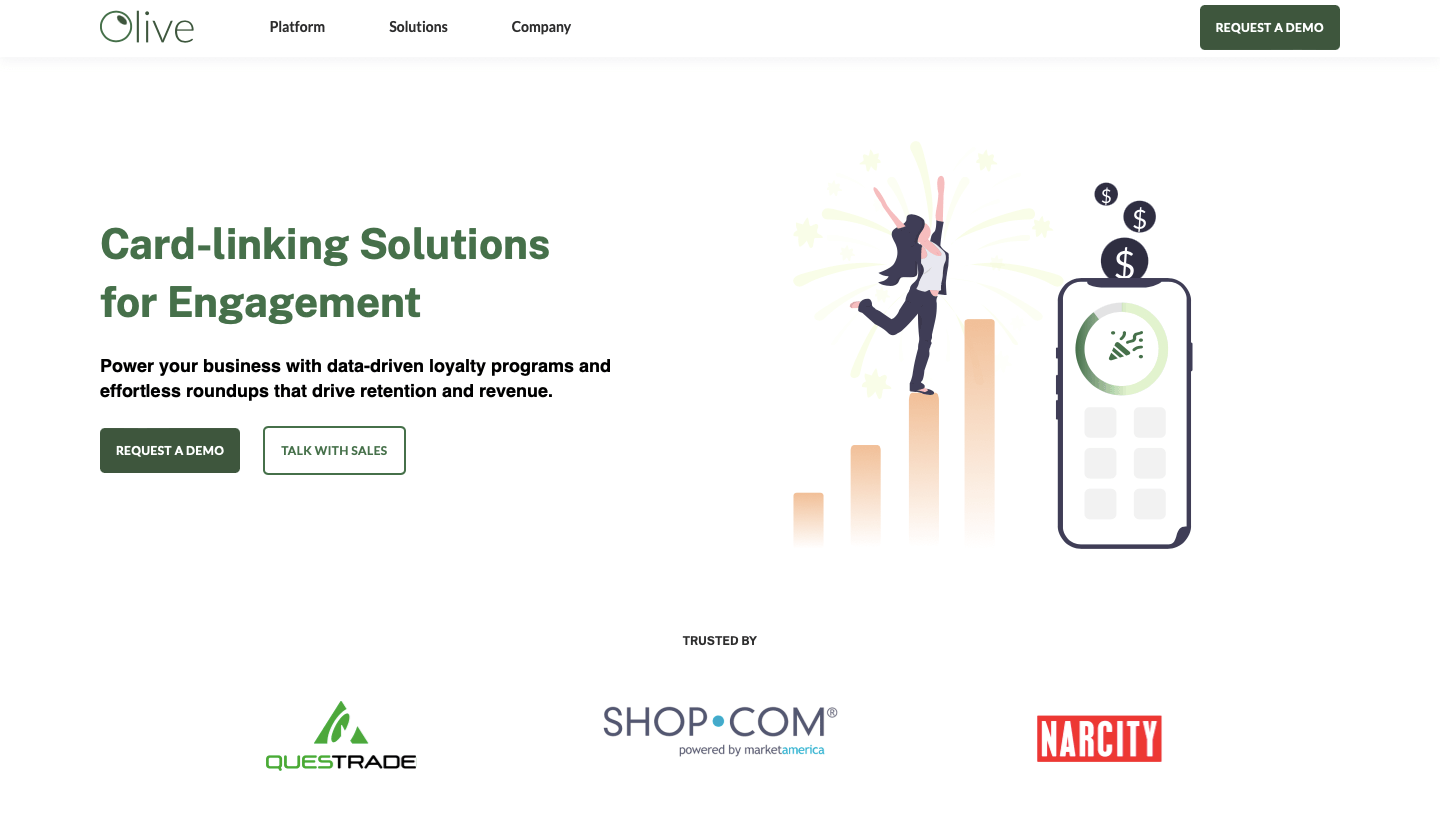
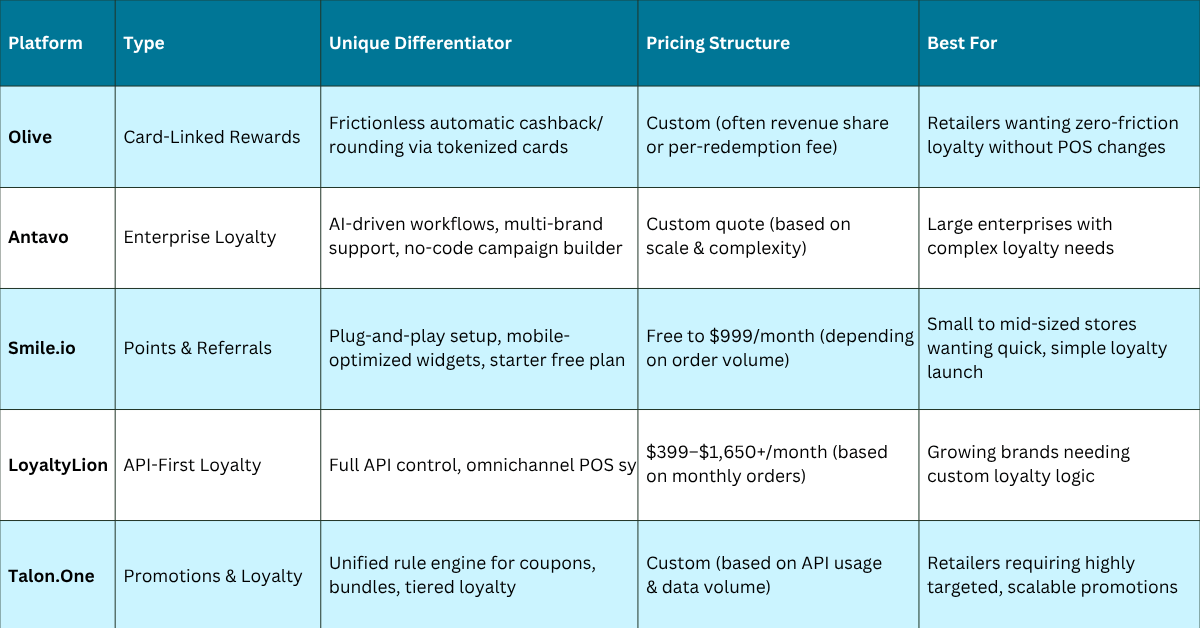
Let’s start with Olive, a player rewriting loyalty norms. Picture this: a customer buys a pair of running shoes. They don’t click a “Redeem points” button or enter a coupon code. Instead, Olive’s card-linking technology senses the eligible transaction when it settles on the customer’s credit card. Then it automatically applies a rounding benefit or cashback to their card within minutes. No extra logins, loyalty card to remember and coupon codes.
Retailers love Olive because it removes virtually all points-program friction. No more sign-ups, lost loyalty cards, or expired codes.
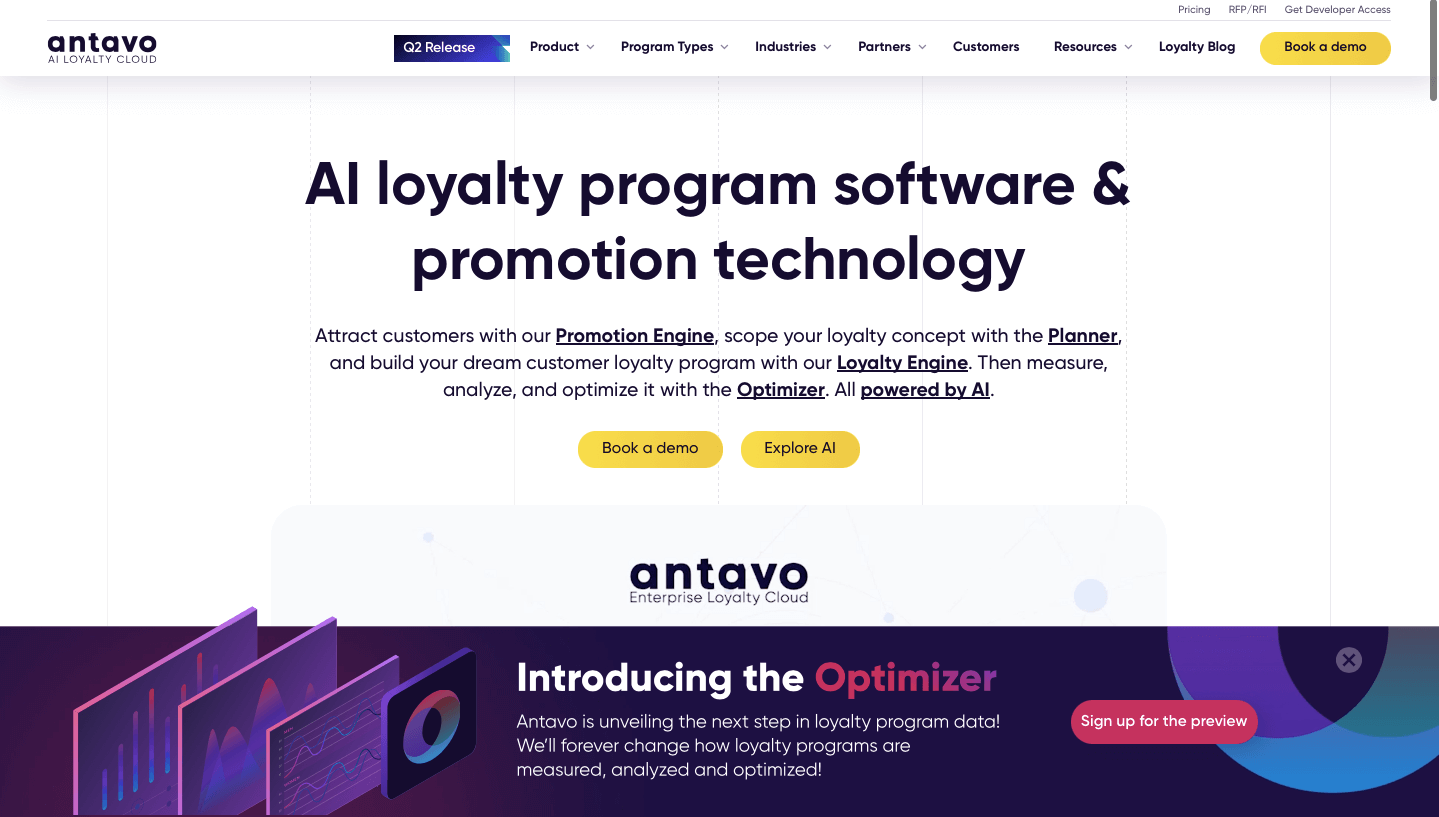
If you’re running or planning to run multiple brands, complicated reward tiers, or region-specific campaigns, Antavo has your back. Their standout feature is an AI-powered workflow engine: picture a visual builder where you drag and drop conditions and rewards. It is immensely popular among large enterprises that want to manage loyalty across various products or markets without calling on the IT department every time they tweak a rule.
So, what makes Antavo unique?
Who should consider Antavo?
If you’re running multiple product lines or have lofty growth ambition, think of thousands of monthly orders; it’s worth exploring. A savvy web developer will set up the initial API integration so customer data flows seamlessly between your store and Antavo, ensuring that as soon as someone places an order, their points update in real-time. Without that foundation, none of Antavo’s fancy AI-driven perks matters because customers could see outdated or incorrect point balances.
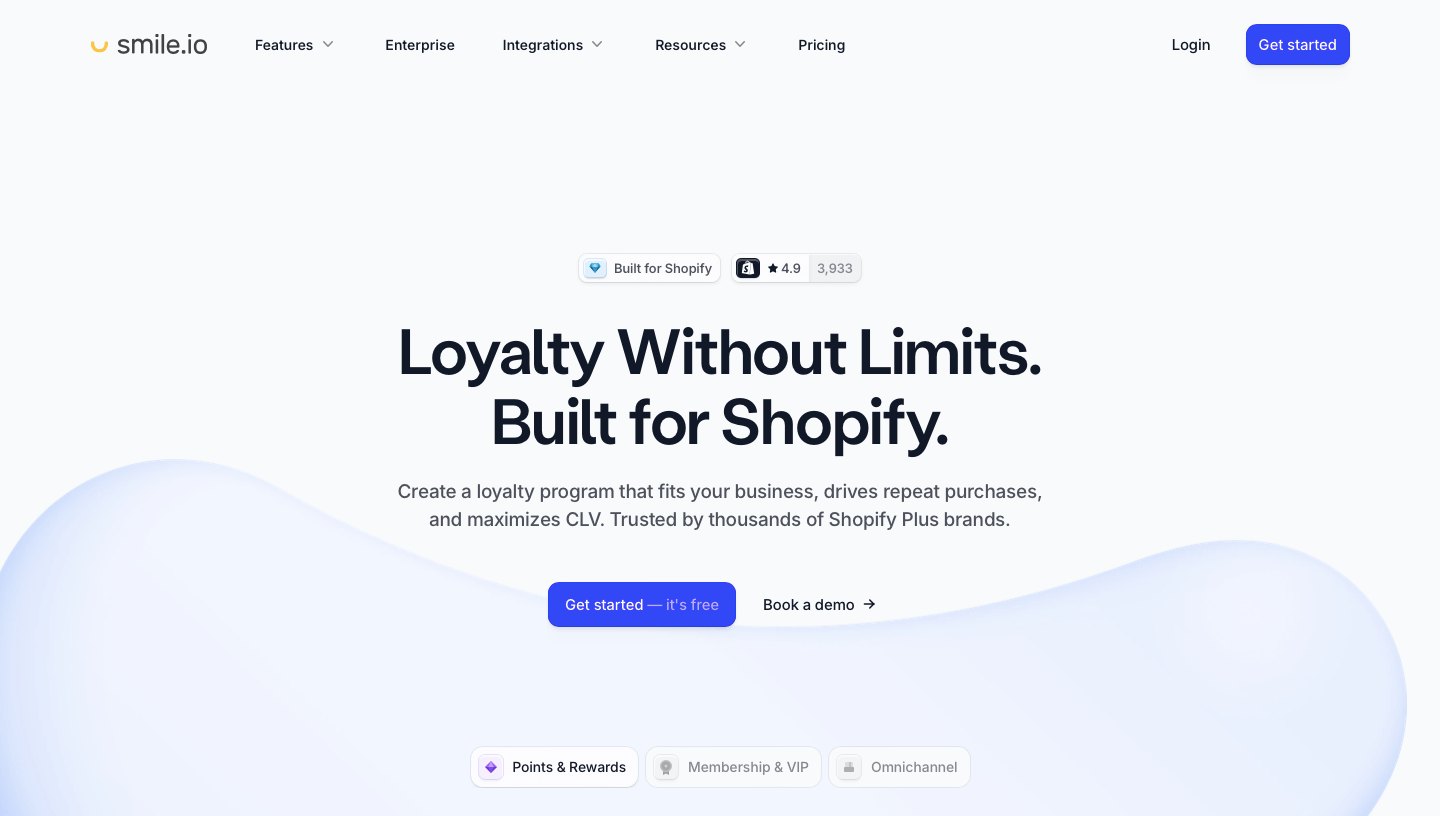
Contrast Antavo’s enterprise-grade heft with Smile.io’s, a perfect choice for smaller to mid-sized e-commerce businesses. Smile.io excels at three main things: points, referrals, and VIP tiers. Let’s say you run a boutique selling handmade jewellery on Shopify. You can install Smile.io in minutes, add a “Start earning points!” banner on your home page, and have sign-up bonuses, social-media-follow incentives, and referral bonuses all set up by tea time. Their widgets play nicely with mobile devices, too, so if half your traffic comes from Instagram shoppers, you know they’ll see a perfectly formatted loyalty section.
Why is Smile.io so popular?
As an eCommerce owner, Smile.io should be on your shortlist if you want a quick win without roping in complicated Restful API integration. You’ll likely want a web developer to tweak your web design so the loyalty widgets match your brand colours, fonts, and landing page layouts. Without that polish, you risk looking like you just slapped on a generic plug-in.
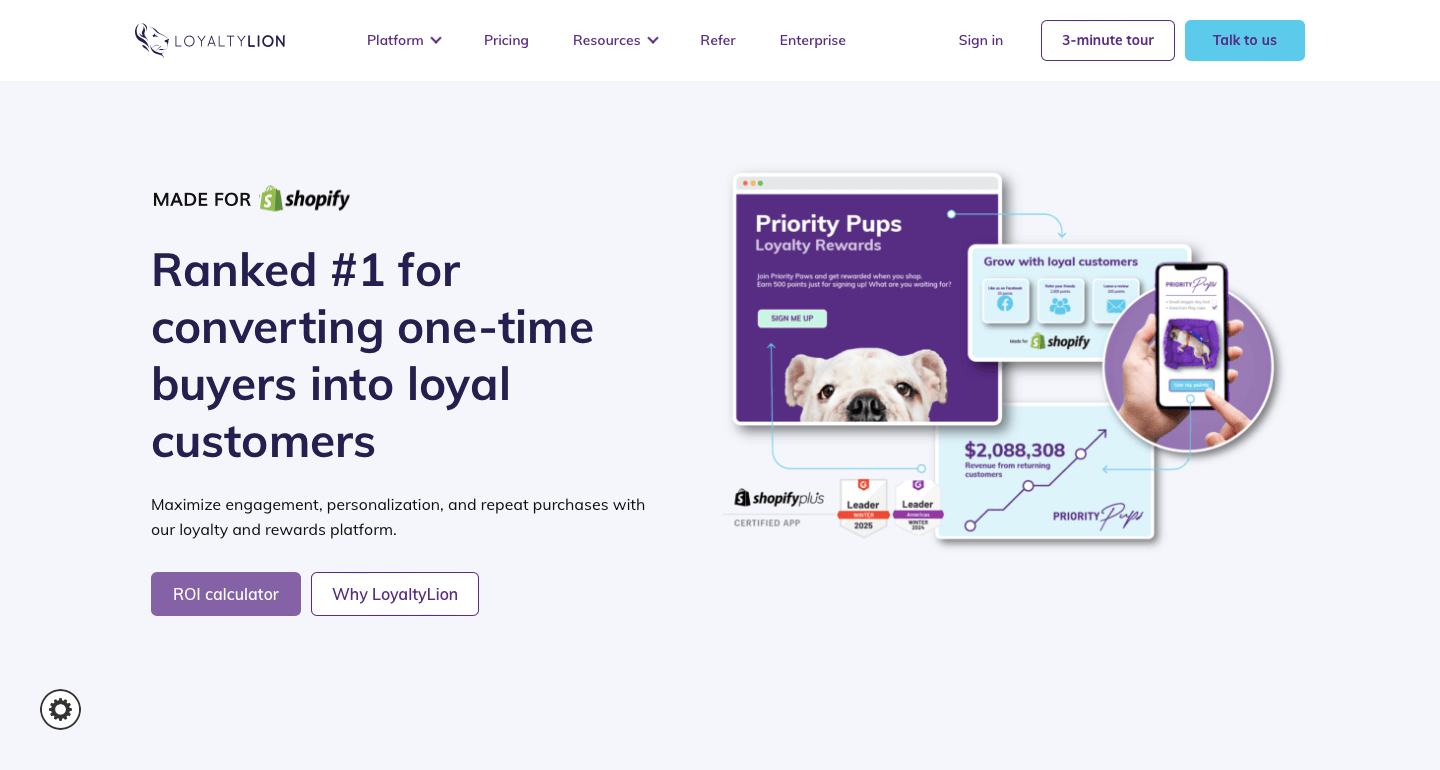
Now, picture a platform between Smile.io’s plug-and-play ease and Antavo’s enterprise complexity. That’s LoyaltyLion. Their secret sauce is an API-first architecture: nearly every action (awarding points, upgrading tiers, issuing referral bonuses) can be controlled via RESTful API integration. If you dream of customizing every aspect of your program, LoyaltyLion has the hooks to make it happen.
Why have so many eCommerce shops fallen for LoyaltyLion? Because they want fine-tuned control. You might have customers who get extra points if they write a review and another set of points for unlocking a surprise gift after three monthly purchases. They also offer POS integrations, so if you have a pop-up kiosk at a local market, points sync immediately with your online storefront.
Pricing is tiered: expect to pay around $399/month for modest order volumes, scaling up to $1,650+ as your sales grow. This investment makes sense if you see solid revenue from repeat customers and want to push loyalty insights further.
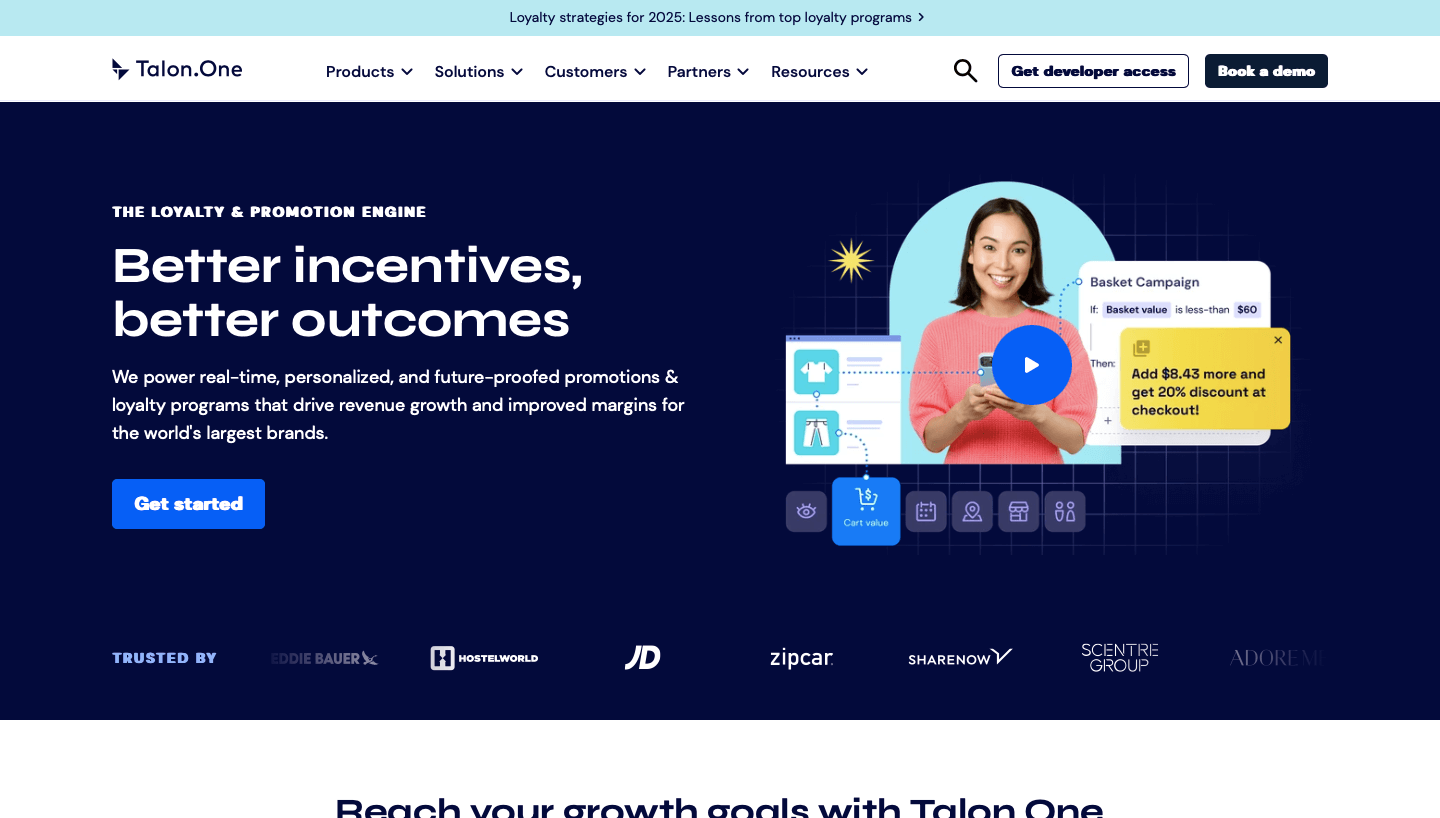
Rather than separate modules for coupons, bundles, and loyalty tiers, Talon.One unifies everything under one intuitive rules engine. You create if/then statements that feel almost conversational: “If a customer spent over $200 in the last 30 days, assign Gold Tier and send a 15% off coupon; if they add three items from our new arrivals collection, give them a free shipping voucher.” Talon.One then translates these statements into machine-readable rules, automatically applying them at checkout.
What makes Talon.One stand out?
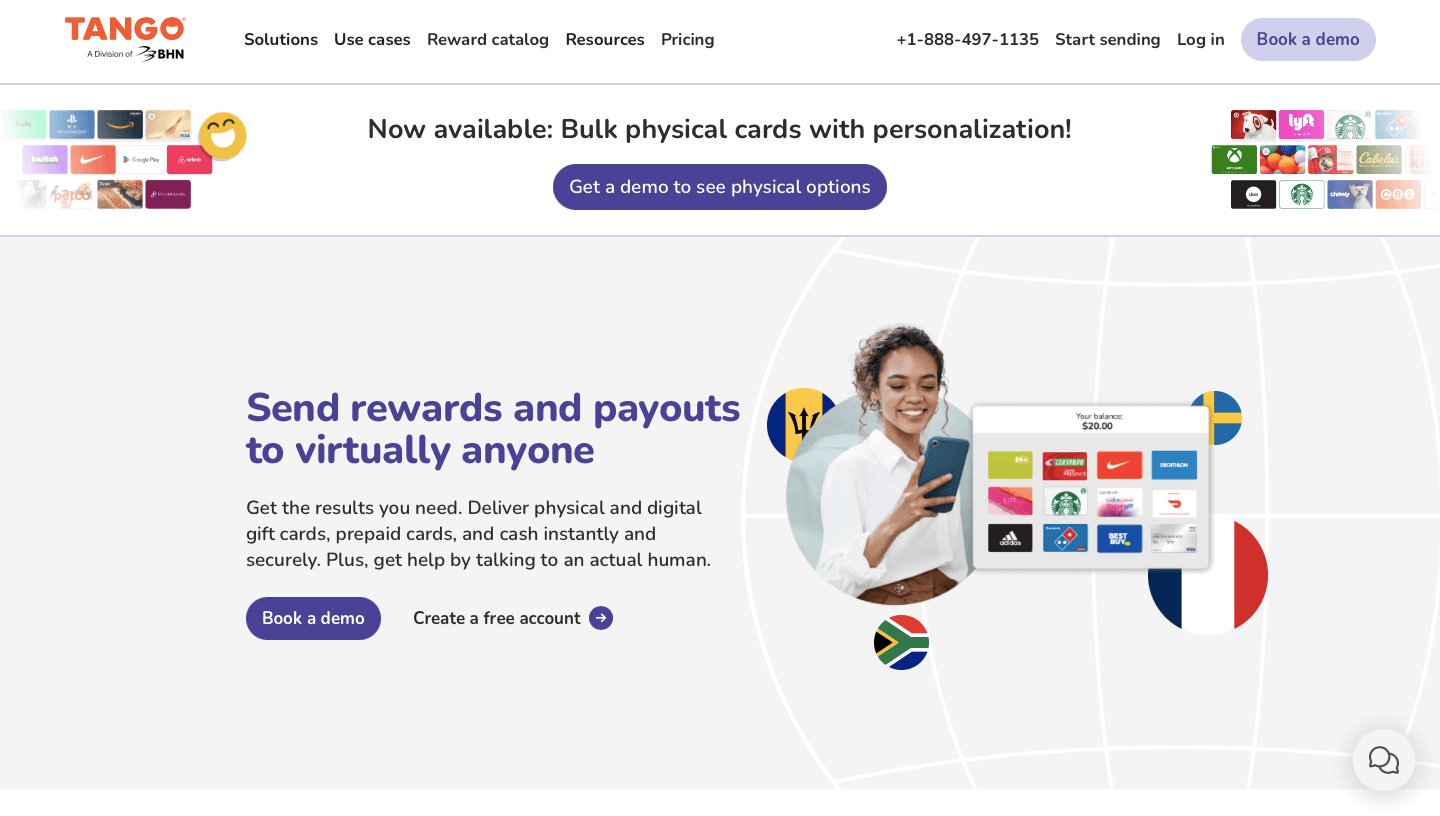
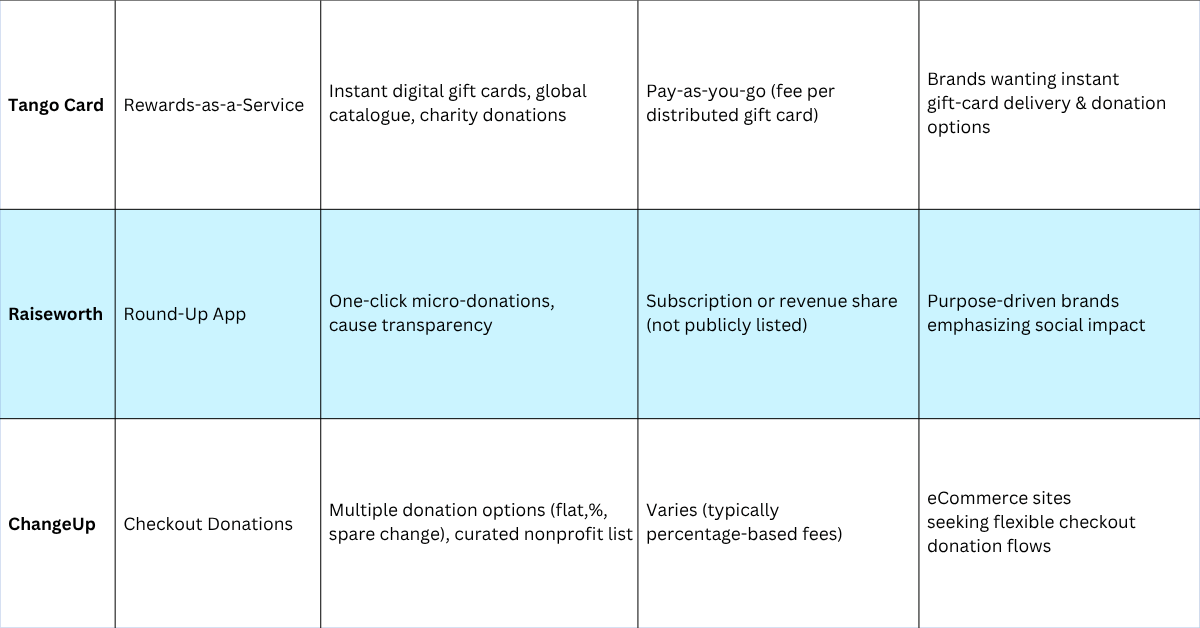
Imagine instantly rewarding customers with digital gift cards, no delays, and no manual follow-ups. That’s Tango Card’s promise. They call it “Rewards-as-a-Service” because you don’t maintain a stock of physical gift cards. Instead, your eCommerce backend simply calls Tango Card’s API integration to generate a digital reward (Amazon, Starbucks, or even a local coffee chain if you sell internationally) and then emails it directly to the customer.
Why do so many businesses love Tango Card?
If you want to incorporate charitable giving, Tango Card lets customers donate their earned rewards to vetted nonprofits, adding a cause marketing dimension.

Maybe you’re an eco-conscious brand or simply want to align with social causes. That’s where Raiseworth’s Roundup App steps in. Think of it as a charitable box at checkout. Customers see an optional checkbox: “Round up $23.67 to $24.00 and donate $0.33 to reforestation projects.” Over thousands of transactions, those pennies add up to a real impact. Customers love it because it’s a micro-commitment: They don’t feel pinched, yet they participate in something meaningful.
Raiseworth is unique because it’s laser-focused on micro-donations. The frictionless design, with just one click at checkout, removes decision paralysis. Raiseworth’s transparent reporting shows customers exactly where their change goes, building trust and encouraging them to opt in again. Pricing is usually a small subscription fee or revenue share, but there’s no public rate sheet; you’ll discuss numbers during a demo.
For an eCommerce owner, adding Raiseworth differentiates your brand. It tells shoppers, “We care about more than sales; we care about the planet (or local communities, wildlife preservation, etc.).”
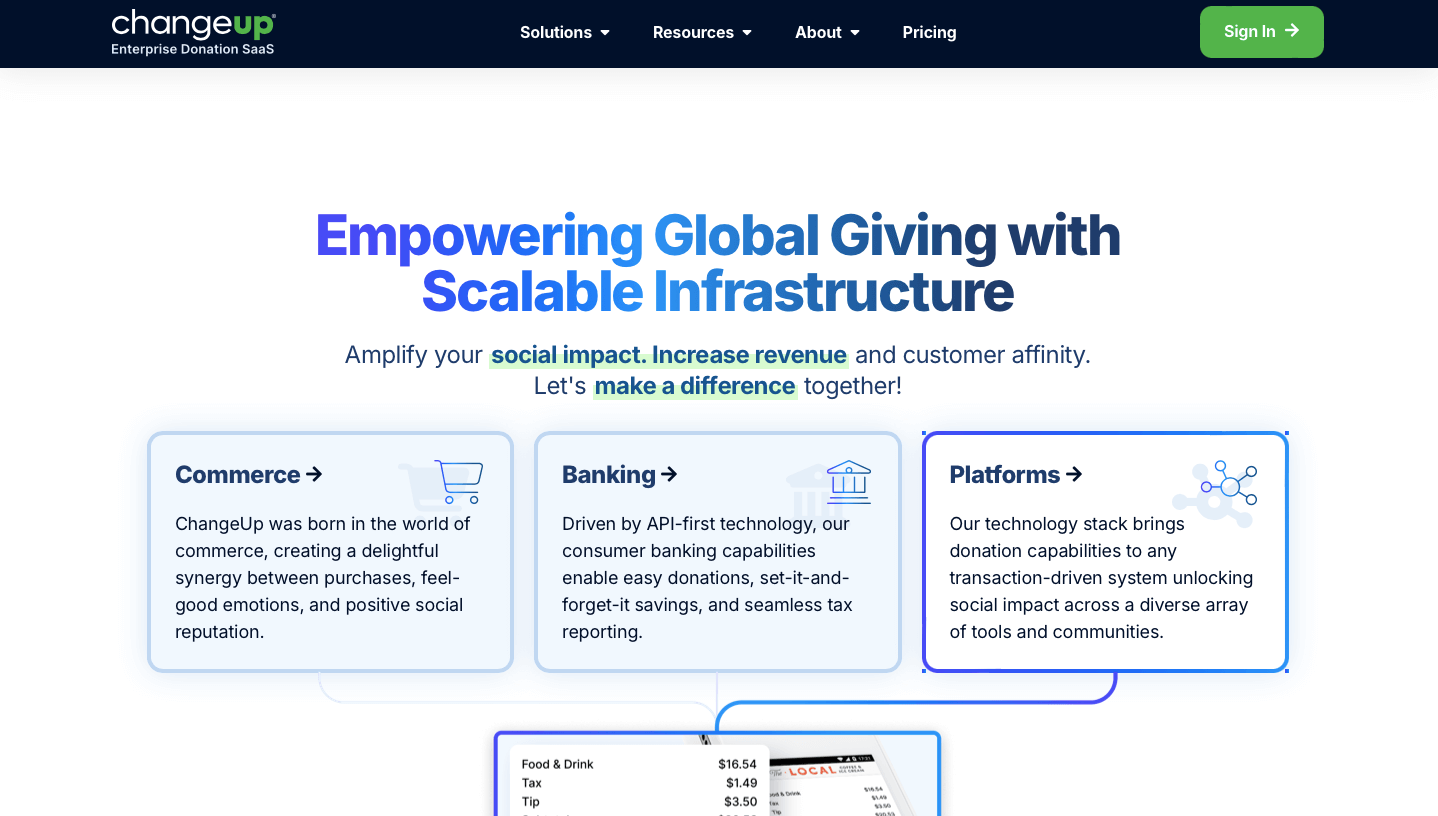
ChangeUp shares Raiseworth’s mission to empower giving, but it offers more flexibility. Instead of only rounding up to the nearest dollar, customers can choose a flat donation (e.g., “Add $1 to your order”) or donate a percentage of their purchase (e.g., “Give 5% of this $80 order—$4—to charity”). ChangeUp partners with hundreds of vetted nonprofits, so if your brand cares about animal rescue this month and clean water next month, you can adjust your preferred causes.
What draws retailers to ChangeUp is its checkout-first integration: the donation prompt fits neatly into your existing payment flow, whether on desktop or mobile. Customers aren’t redirected to a separate site; they simply tick a box and pick a cause. On the backend, ChangeUp’s API integration handles the transaction, compiles donation totals, and issues receipts. Then, at the end of each month or quarter, you get a comprehensive impact report to share with your audience. That transparency builds trust and can be a powerful marketing tool (“Together, we raised $5,000 for local schools this quarter!”).
Building an eCommerce Website that fosters loyalty, drives repeat purchases, and resonates with customers is as much about storytelling as technology. You want to tell potential buyers: “You matter to us. We see you, we value you, and here’s how we’ll reward you for choosing us.” Whether that message comes through a generous points system powered by Antavo, a straightforward referral program with Smile.io, a finely tuned loyalty engine via LoyaltyLion, or a promo coup courtesy of Talon.One, instant digital gifts from Tango Card, heartfelt micro-donations with Raiseworth or ChangeUp, or frictionless cashback thanks to Olive, begins with intent and ends with execution.
But none of these platforms, no matter how feature-packed, can turn your vision into reality without a skilled web developer collaborating. They’re the architect and craftsmen who take your loyalty strategy off the whiteboard and bake it into your eCommerce Website’s DNA. They ensure API integration hum like well-greased gears, your web design remains on brand, and your customers experience a seamless, delightful journey from landing page to order confirmation.
FAQs
Website Development | Mobile App Development | Application Development
We will definitely get back in touch with you over mail within 12 Hours.
In-case you have not heard from us within 12 hours, kindly check your spam once.
I'm a software consultant. I've 7+ years of industry experience. I'd love to connect with you and brainstorm your custom software needs. It's my responsibility to find you the best solution.
ANAND GUPTA
Drop your details and we'll get in touch with you within 12 hours.
Reach us for

Talk to us