Aug
16
Web development trends align with the enhancement of web applications and website functionalities. Whether a front-end or back-end web development, web tools evolve with time. Adapting the best practices helps a custom web development company to improve user engagement.
It is not just a smooth upgrade but a significant change in custom web development services in 2023. Users now want digital products to open immediately, respond smoothly, be interactive, and remain secure across all types of devices. Businesses seek custom web development services that can be expanded as the company grows, reduce manual labour, and make operational costs more predictable. Engineering teams desire tools and stacks that can deliver quickly and have lean, maintainable codebases.
This greater demand for leaner, faster, and more versatile web experiences has led to a new range of web development directions. No matter what your first SaaS is in San Jose, whether you are operating a retail brand in Houston or an enterprise setup in Dallas, staying in sync with these changes has a significant impact on how far your digital products can be extended.
This article discusses the most impactful web development practices in 2023, their results, their direction, and how Capsquery, a global custom web development services partner, assists organizations in implementing these ideas into practical systems.
Modern custom web development services now centre on creating tightly integrated digital environments rather than just standalone sites. The following section breaks down 10 key web development trends 2023 that are reshaping the everyday routines of web teams in USA and around the globe. Each web development trends 2023 includes context, sample scenarios and the business value it brings.
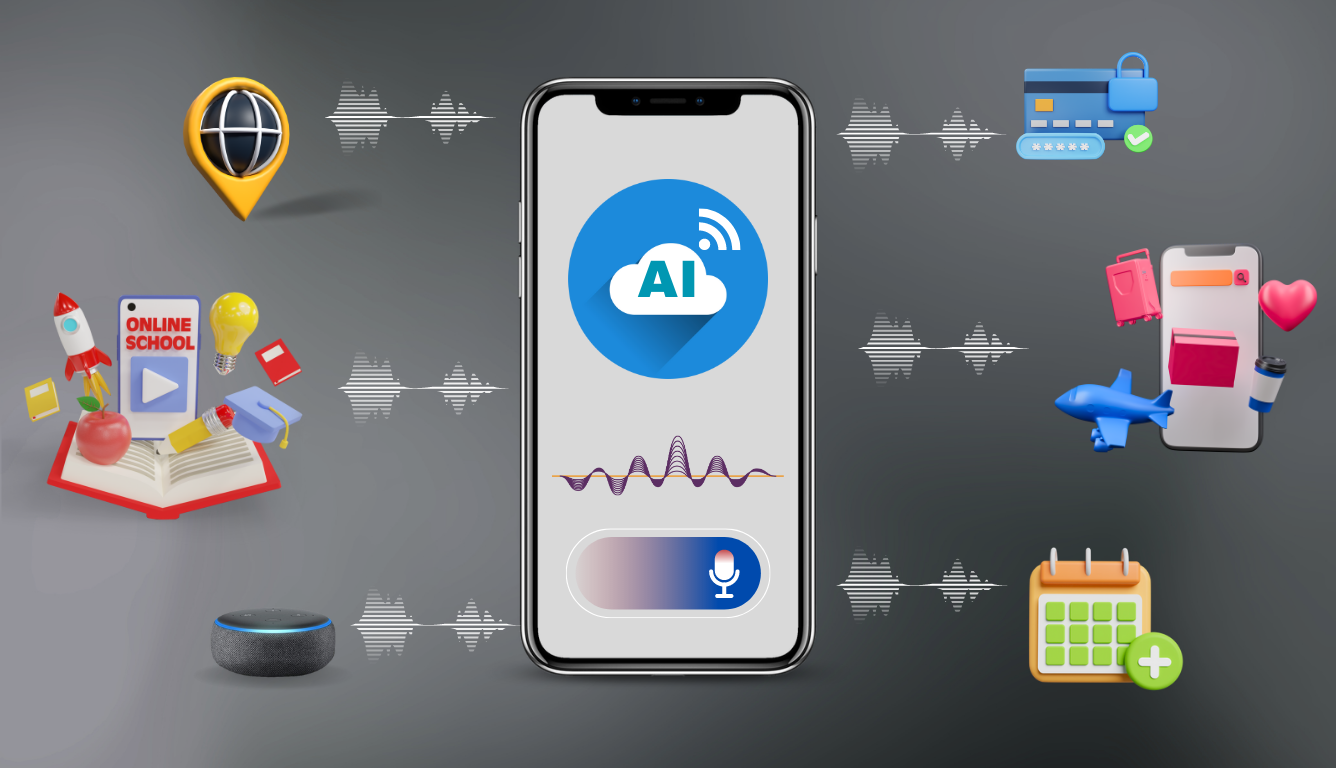
Voice-driven interactions have shifted from a nice add-on to a basic expectation. People talk to phones, TVs, home assistants and car systems and naturally expect apps to understand and act on those spoken requests.
Optimizing for voice is not limited to appearing in spoken search results. It involves weaving voice-ready controls directly into web interfaces so people who prefer speaking, or who cannot type easily, can navigate and complete actions with less effort.
Modern applications now include language-aware voice features that let users:
This approach has a substantial impact in healthcare, logistics, learning platforms and online retail, where hands-free use can boost comfort, safety and task efficiency.
In 2023, PWAs are no longer a growing technology, but a normal practice. As people desire app-like speed and reliability without necessarily installing apps from app stores, numerous companies are now embracing PWAs to deliver mobile experiences in the browser.
PWAs bring together modern browser capabilities with app-like layouts to enable:
Because a PWA can serve both web and mobile use cases, teams maintain a single codebase and usually achieve better performance. Organizations in hubs like Dallas and Cupertino adopting PWAs commonly experience:
PWAs are particularly well-suited for online stores, booking platforms, media platforms that host content, and SaaS.
WebAssembly is slowly broadening its definition of what can be practical executed in a browser window. Now languages like C, C++ or Rust can be packed into tiny modules that can be run in the browser and run at near-native performance.
This capability opens doors for workloads that previously needed desktop installs, including:
For organizations needing strong browser-based tools, WebAssembly offers a way to deliver demanding features with smoother interaction and less strain on client devices.
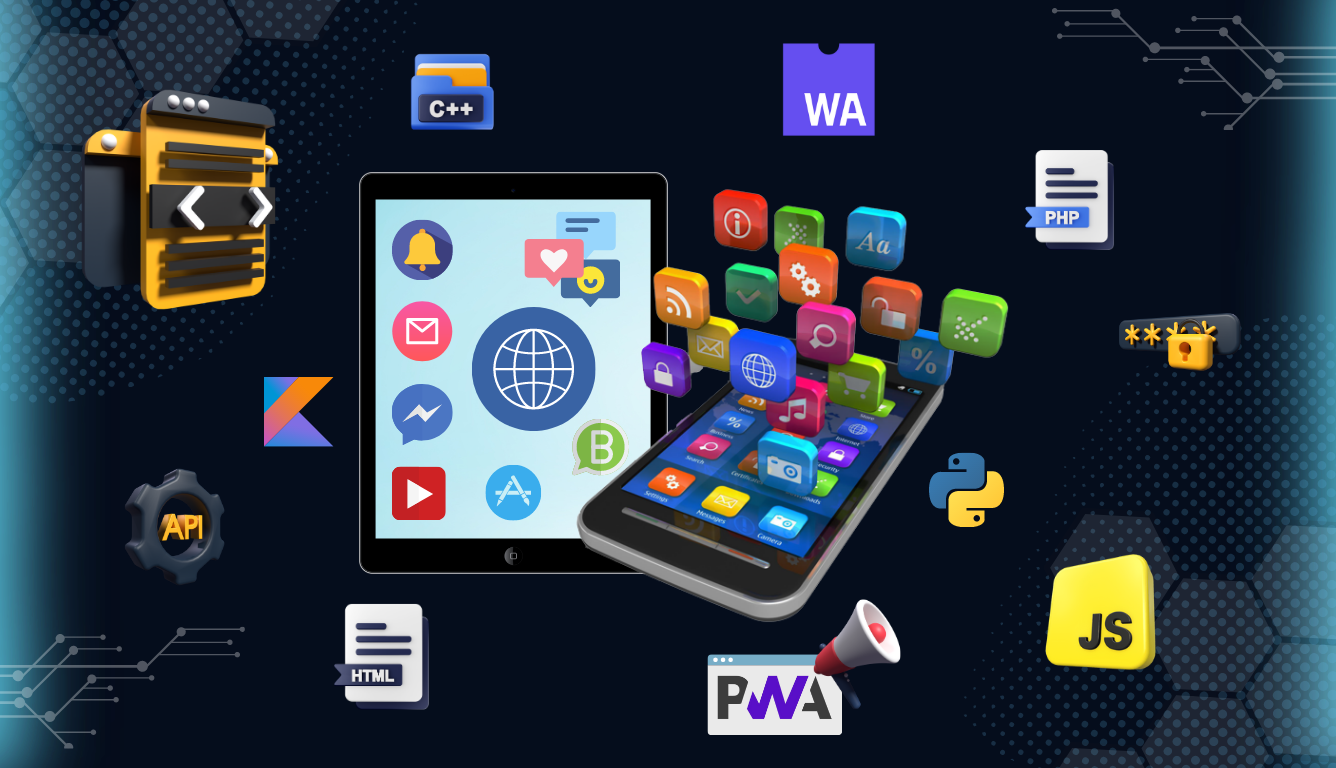
From pizza orders or hotel bookings to emergency services, people use smart TVs, smart wearables, and more advanced apps. So, here are a few web tools a custom web development company uses to develop multi-operational software for their target audiences:
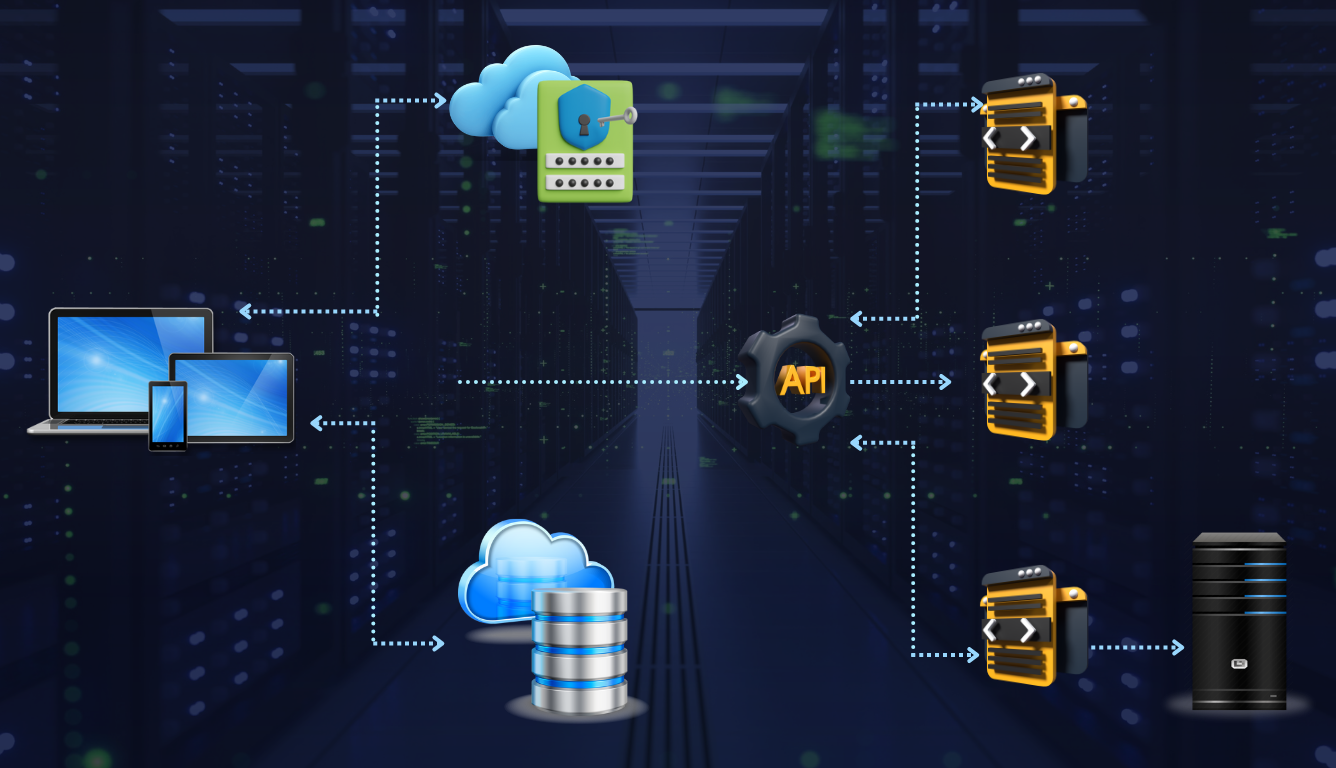
Serverless design is emerging as an essential pillar of modern web backends. Rather than having to rent and maintain full-time servers, teams use cloud services that execute code only on demand and charge per execution.
Popular providers such as AWS Lambda, Azure Functions, Firebase Cloud Functions and Google Cloud Functions simplify assembling:
This architectural style is well-suited for fast-moving startups in Houston and San Jose that want to launch quickly without owning infrastructure. Serverless setups typically cut:
At the same time, they often shorten development cycles by simplifying deployment pipelines.
Use Cases:

The broader metaverse push has accelerated the adoption of AR and VR in everyday business tools. AR/VR is increasingly being integrated into web apps to support training, product exploration, teamwork, and customer decision-making by more companies.
Applications like WebXR mean immersive scenes can be loaded directly in browsers, eliminating individual installs and the need for additional hardware to access many applications. AR and VR now support scenarios like:
This area is gaining particular traction in enterprise software projects, where visual context, simulation, and remote guidance deliver clear returns.
Blockchain has grown much beyond digital currencies. Decentralized applications and transparent registries under the Web3 umbrella introduce possibilities of trust, auditability, and tampering resistance.
Decentralized technologies now help handle:
Organizations in fintech, logistics and legal services often favor blockchain-backed systems for their verifiable records, long-term integrity and difficulty to alter.

Attacks on web systems continue to grow in complexity, making manual checks and static rules less effective. Many platforms now rely on AI-driven security layers that monitor behavior patterns and react in near real time.
Machine learning models help teams spot:
For business ventures that purchase custom web builds, such protection is no longer a luxury; it is an essential component of a serious web platform.
7. Custom Web Development Company Relying On WordPress

Most IT companies and users prefer WordPress CMS for its flexibility, user-friendly system, and open-source architecture. You can add multiple features and plugins based on business models and online activities.
Mobile-first thinking is now a default belief with most global web traffic coming in via phones. Creating for smaller screens first and scaling up can be used to achieve clean layouts, fast responses, and enhanced usability.
Modern web experiences aim to deliver:
Adhering to these practices would tend to boost engagement and retention, especially among online stores and software subscriptions.
React, Vue, Angular, and Next.js continue to be the front and back ends of many applications, and many teams still use libraries such as React and others to build their interfaces and back-end servers. Their high ecosystems and modular design make them an excellent option for quick-paced projects.
These tools support:
Full-stack setups such as MERN and MEVN let teams implement entire systems with JavaScript across layers, which can simplify hiring and code sharing.
WordPress has become a versatile platform that can be used in a wide range of other activities beyond editorial blogging. It’s free-open-source, its plugin system and flexible themes make it a practical choice even in the cases of larger businesses.
Companies often pick WordPress because:
From local firms to bigger enterprises, WordPress continues to run a significant share of sites and portals across the USA.
Staying updated with the trends of the present web is not about style but about actual business results. The companies that adopt the 2023 trends tend to rise higher in performance, security and easier experiences to its users.
The main advantages are outlined below:
WebAssembly, PWAs and optimized JavaScript frameworks are some of the technologies that can drastically reduce loads. A quicker site usually results in:
For many businesses, shaving seconds off page loads directly supports revenue growth.
As threat patterns evolve, older defenses struggle to keep up. Organizations have increased opportunities of avoiding leaks and fraudulent activities with the addition of AI-based monitoring, decentralized storage and advanced authentication.
Collectively, these tools can help ensure data integrity, minimise unauthorised access, and build customers’ and partners’ trust.
Serverless tools handle traffic spikes and seasonal peaks without manual intervention. This setup lets teams focus on functionality while the cloud manages capacity, routing and failover.
In practice, businesses free up engineering time, cut infrastructure spend and maintain stable performance during busy periods.
Personalized and immersive experiences are likely to keep users on a website for longer durations. AR trial application, VR tours, and customized information feeds enable a user to unnderstand the options and be sure of steps.
These are usually reflected in increased conversion rates and user feedbacks.
Strategies such as PWAs, microservices, reusable UI components, and cloud-native patterns can reduce not only the time required to build new systems but also long-term maintenance costs. Teams release features more frequently and update portions of the system without simultaneously refining the entire system.
Over time, this reduces total ownership costs and keeps products aligned with user needs.
Support for voice, responsive views and accessibility guidelines helps more people comfortably use digital products. Thoughtful design choices open up services to users with different abilities, device types and connection speeds.
This approach not only meets regulatory expectations but also broadens audience reach.
Organizations that experiment early with new web techniques tend to ship fresher features and better experiences. Over time, this can create a visible gap in quality, speed and reliability compared with slower-moving competitors.
Consistent innovation builds a reputation for modern, user-focused products.
It’s a challenge for an enterprise software development firm to fulfill the tech needs of its consumers interact with. With all the pros & cons, these 7-tech trends are thriving in the digital market. To know more about the latest tech trends, leave a comment or contact us.
Website Development | Mobile App Development | Application Development
We will definitely get back in touch with you over mail within 12 Hours.
In-case you have not heard from us within 12 hours, kindly check your spam once.
I'm a software consultant. I've 7+ years of industry experience. I'd love to connect with you and brainstorm your custom software needs. It's my responsibility to find you the best solution.
ANAND GUPTA
Drop your details and we'll get in touch with you within 12 hours.
Reach us for

Talk to us